
The American Republic emerged from centuries of political philosophy. Cicero, Locke, Rousseau, Smith, Madison - these thinkers shaped the ideas that became the Constitution, The Federalist Papers, and the principles that still define America. Here’s where you learn what they believed and why it matters.
Explore the influences below ↓
Influences
-
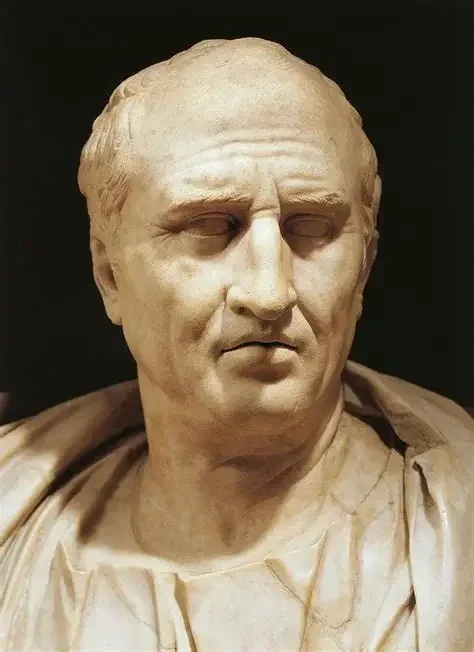
Cicero
Roman Consul
Natural law, civic duty, and the moral foundation of republican government.
-

John-Jacques Rousseau
Philosopher
The social contract and the balance between liberty and authority.
-
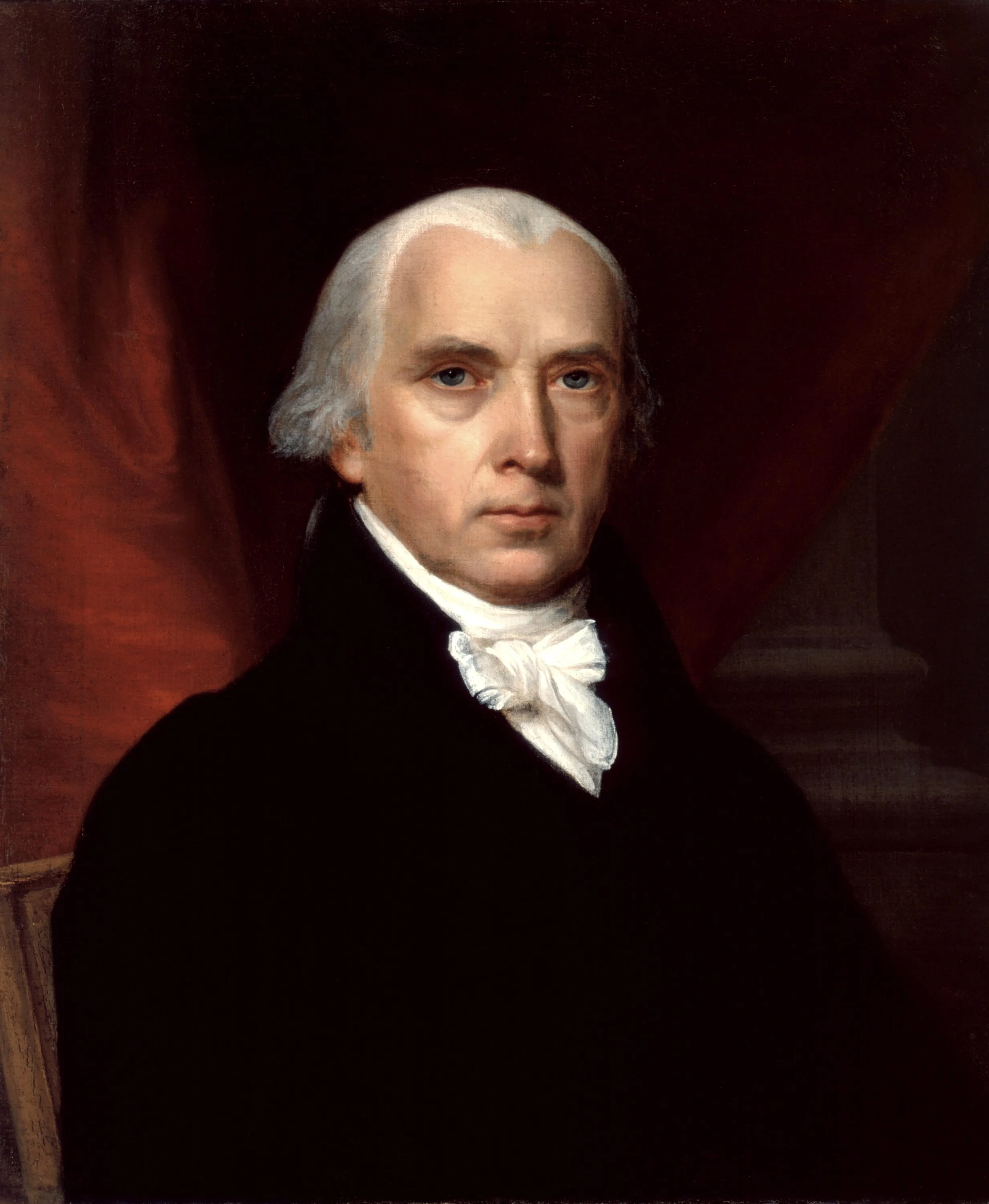
James Madison
Fourth President, Father of the Constitution
Checks and balances, and the architecture of limited government.
-
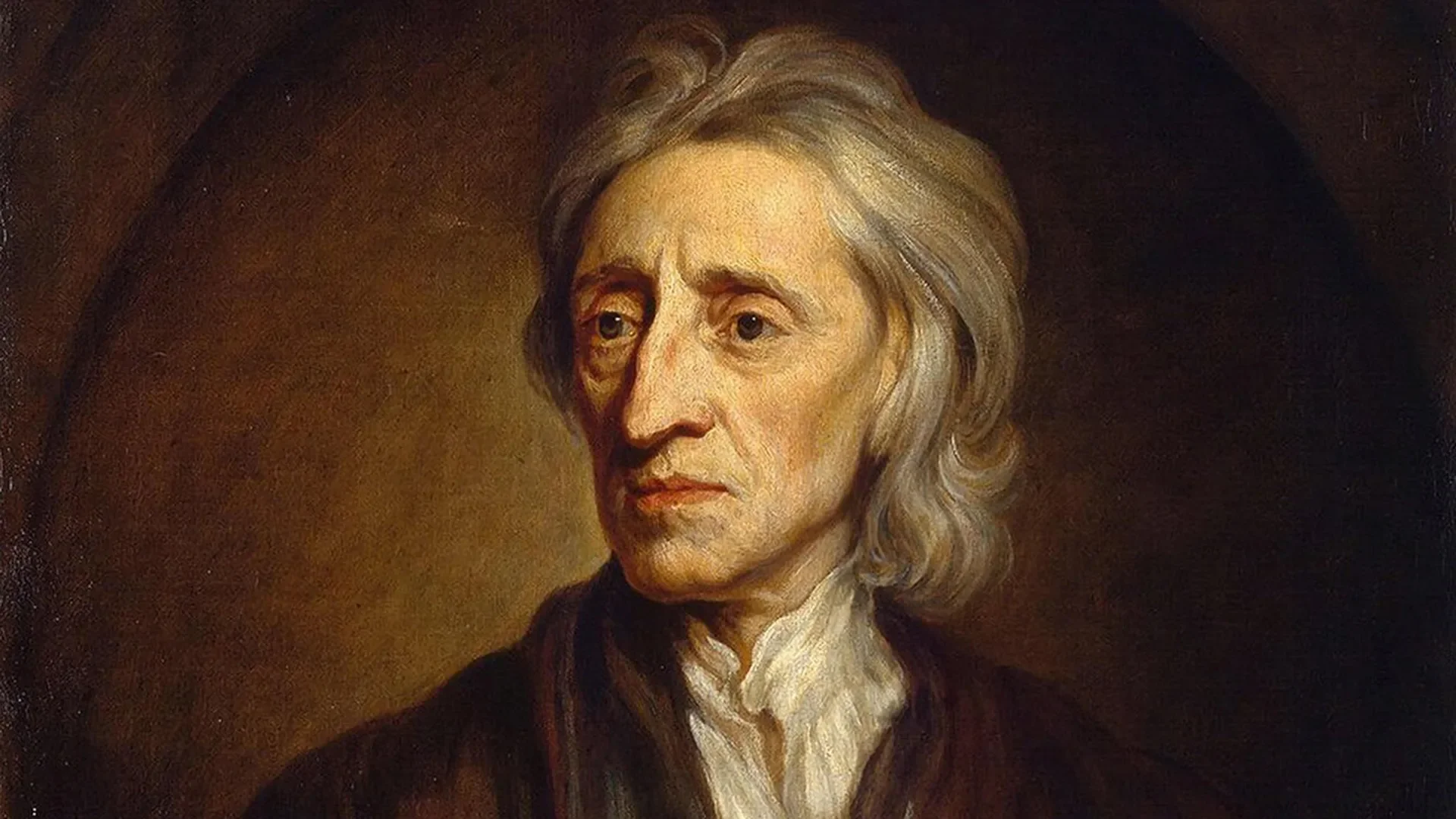
John Locke
Philosopher
Natural Rights, consent of the governed, and the right to revolution.
-
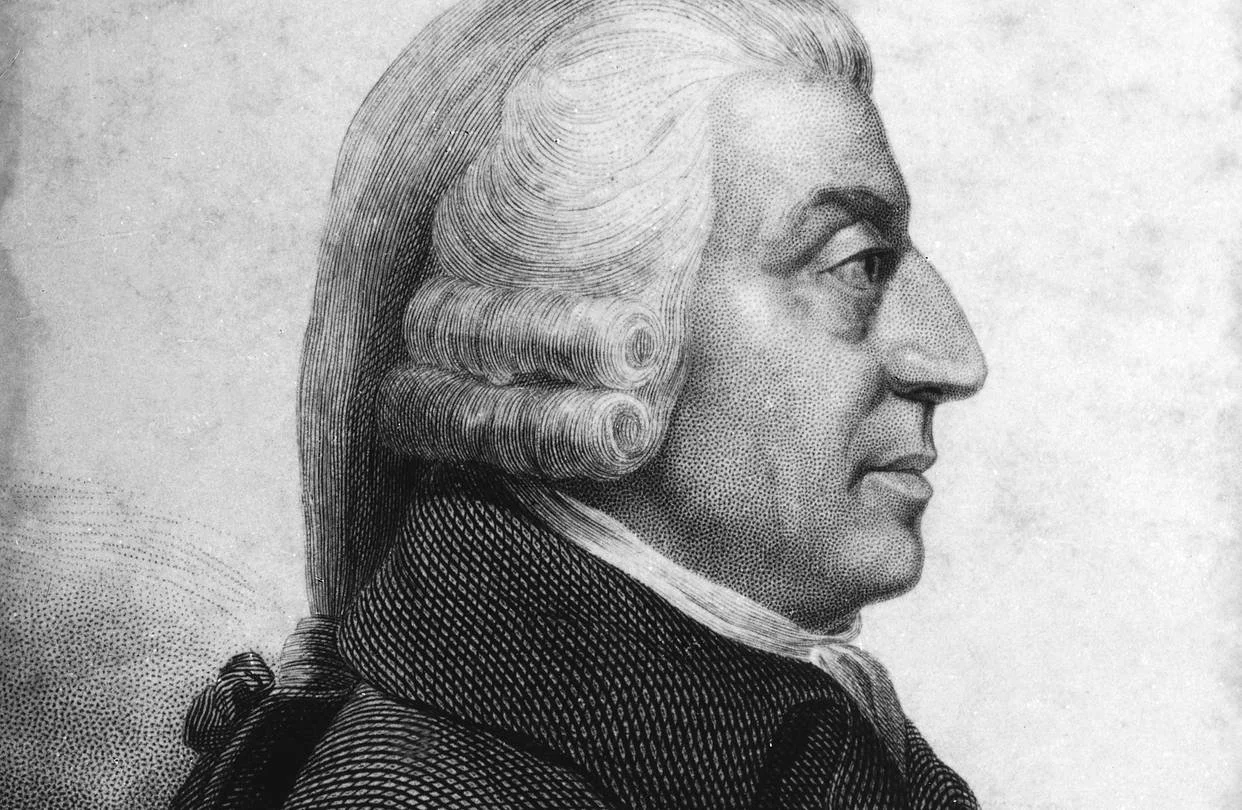
Adam Smith
Economist
Free markets, moral philosophy, and the invisible hand.
-
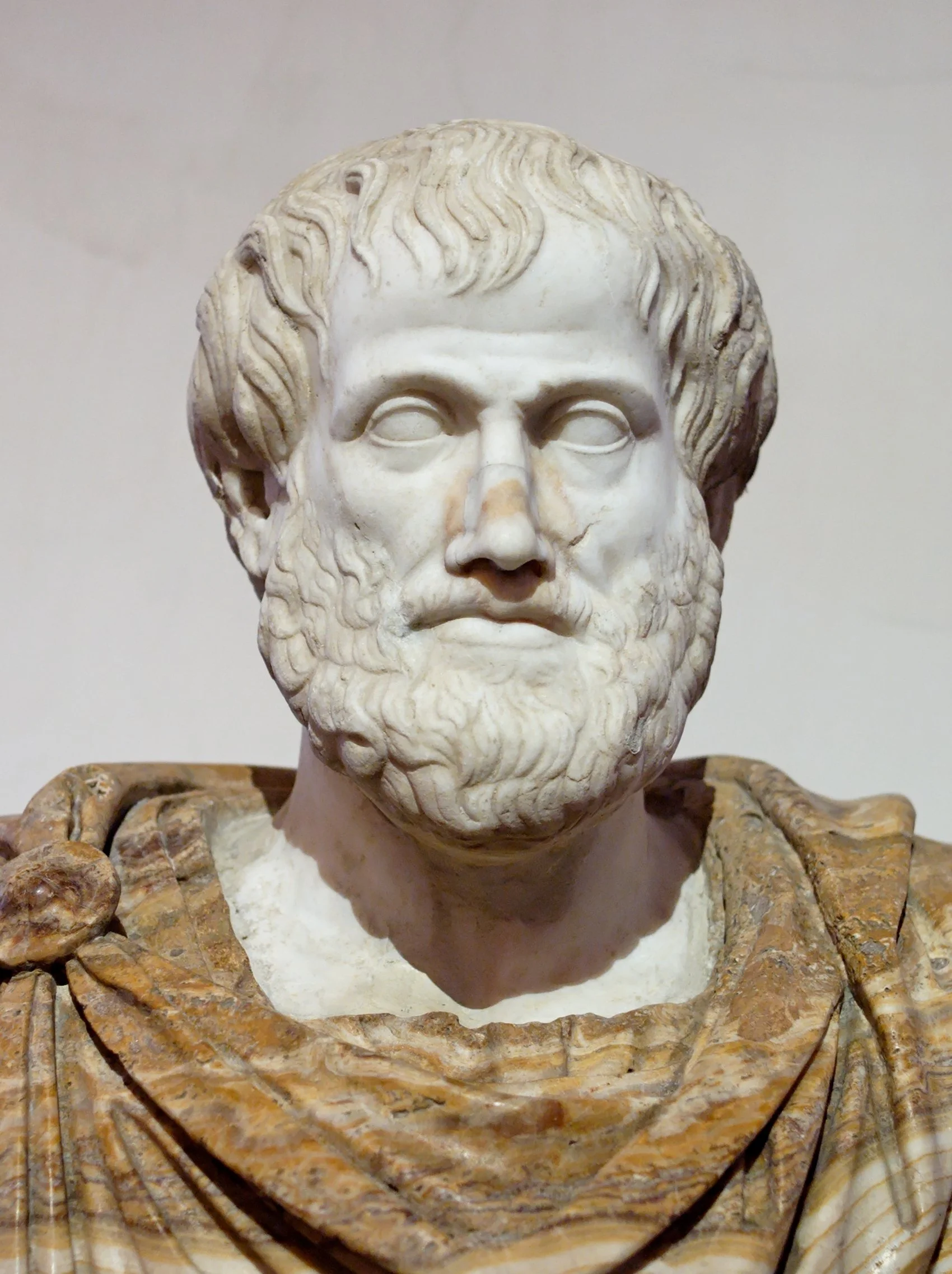
Aristotle
Ancient Greek Philosopher
The middle class (mesoi) as the anchor of stable republics.